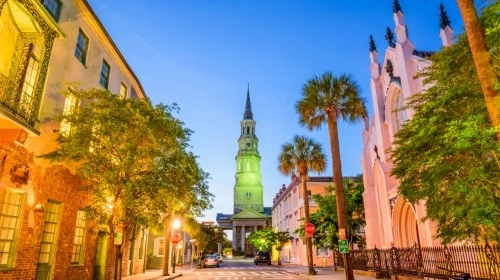

Charleston is a city built on layers. Time here does not erase itself. Instead, it stacks, preserves, and reveals. The streets tell stories. The buildings remember. And hospitality, perhaps more than anything else, reflects the values of care, continuity, and community that have shaped the Holy City for centuries.
The history of The Restoration Charleston is inseparable from the history of Charleston itself. Rather than existing as a single structure or a newly imagined space, The Restoration is a thoughtful reassembly of historic buildings, each with its own past, purpose, and personality. Together, they form a boutique hotel experience that honors what came before while offering something distinctly modern.
At The Restoration Charleston, restoration is not just a name. It is a philosophy rooted in preservation, intention, and the belief that places should evolve without forgetting who they are.
Charleston: A City That Values Preservation Over Erasure
Charleston has long resisted the urge to flatten its past in favor of the new. Instead, the city has embraced preservation as a form of progress. Historic homes remain lived in. Former warehouses become gathering places. Old storefronts are reimagined rather than replaced.
This approach has shaped Charleston’s identity as a city where history is not frozen behind glass but woven into daily life. It’s a place where modern culture exists alongside centuries-old architecture, and where hospitality is as much about storytelling as service.
The Restoration Charleston follows this same principle. Rather than building a singular, monolithic hotel, the property brings together multiple historic structures, each restored with care and respect, allowing their original purpose to inform their present role.
The Pink Building: A Gateway to King Street History
At the corner of King and Wentworth Streets stands one of the most recognizable landmarks of The Restoration Charleston, affectionately known as The Pink Building.
While the current structure dates to 1940, the site itself has been active since at least 1822. From the beginning, this corner played a role in Charleston’s commercial and social life.
Originally, the building housed:
-
A bar and restaurant on the ground floor
-
Offices on the second floor
-
Apartments above
In 1963, two additional stories were added along the Wentworth side, expanding the building’s presence while maintaining its character. This evolution mirrors Charleston’s own growth: adaptive, layered, and intentional.
Today, The Pink Building serves as both an architectural anchor and a symbolic one. It represents the idea that hospitality has always lived here, just expressed differently across generations.
269 King Street: Retail, Commerce, and Community
A short walk down King Street brings us to 269 King Street, a building whose history reflects Charleston’s role as a regional hub of commerce.
Dating back to 1910, this structure began its life as a department store with ties to the Dillard family. The first two floors welcomed shoppers, while the third floor functioned as storage, supporting the rhythm of retail life that once defined King Street.
At a time when King Street was the beating heart of Charleston’s shopping district, buildings like this one weren’t just commercial spaces. They were places of routine, familiarity, and local connection.
By restoring this building rather than replacing it, The Restoration preserves that legacy of everyday interaction. It reinforces the idea that hospitality, like retail once was, thrives on accessibility and human connection.
73 Wentworth Street: From Row House to Mercantile
Charleston’s architectural identity is deeply tied to its residential forms, particularly the elevated row house. 73 Wentworth Street, now home to Port Mercantile, began its life in 1886 as one such residence.
Over time, the building evolved:
-
First as a private elevated storage space
-
Later as a vinyl record shop with a devoted local following
Each chapter reflects a different kind of Charleston culture: domestic life, utility, and creative expression.
Today, Port Mercantile continues that tradition by offering thoughtfully curated goods that reflect Charleston’s craft, creativity, and sense of place. The building remains a space of exchange, just as it always has been.
77 Wentworth Street: Communication and Connection
Built in 1907, 77 Wentworth Street originally served as a telephone and telegraph building, featuring an open, progressive floor plan uncommon for its time.
Its final chapter before joining The Restoration was as a BellSouth telecommunications hub, reinforcing its long-standing role in connecting people.
There’s something fitting about this building’s current purpose. Hospitality, at its core, is about connection. Conversations. Coordination. Care. The same walls that once transmitted voices across distances now support experiences that bring people together under one roof.
79 Wentworth Street: A New Chapter, Thoughtfully Written
As the largest and newest addition to The Restoration Charleston, 79 Wentworth Street houses a seven-story structure with 36 guest rooms, along with several of the property’s signature experiences.
Within this building, guests will find:
-
The Watch restaurant
-
The Observatory event space
-
Central gathering areas that anchor the property
Although newer in construction, this building was designed to complement its historic neighbors rather than overshadow them. Its role is supportive, not dominant, reinforcing the idea that new chapters should honor existing stories.
Restoration as Philosophy, Not Trend
In Charleston, restoration has never been about perfection. It’s about stewardship.
The Restoration Charleston embodies this mindset by preserving materials, honoring original forms, and allowing history to remain visible. One of the most tangible examples of this commitment is the offering of authentic Charleston bricks, many over 300 years old, used in the construction of the property and available for purchase through the concierge.
This gesture is more than symbolic. It allows guests to carry a piece of Charleston’s physical history with them, extending the story beyond their stay.
Hospitality Rooted in Place
Charleston hospitality has always been personal. It’s shaped by front porches, shared meals, and the belief that guests should feel welcomed rather than managed.
The Restoration Charleston carries this tradition forward through:
-
Residential-style accommodations
-
Guest Curators who act as cultural connectors
-
Experiences that encourage exploration beyond the hotel walls
Rather than isolating guests from the city, The Restoration invites them into it. The hotel becomes a lens through which Charleston is experienced, not a barrier between visitor and place.
Why This History Matters Today
Understanding the history of The Restoration Charleston adds depth to the stay itself. It transforms a visit from a simple getaway into a layered experience shaped by time, intention, and care.
In a city that values continuity, The Restoration stands as an example of how hospitality can honor the past while remaining relevant to the present. Each building contributes a chapter. Together, they tell a story of Charleston as it was, is, and continues to become.
Explore Charleston Through The Restoration
The Restoration Charleston is not a replica of history. It is history, lived and reimagined.
For guests who value place, story, and authenticity, it offers something rare: a chance to stay inside Charleston’s ongoing narrative.