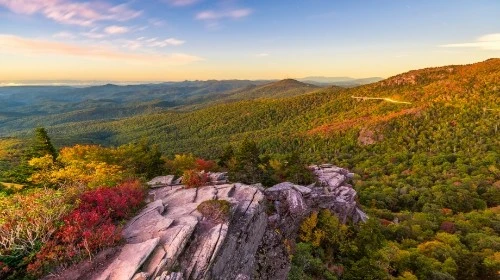
The best fall color near Asheville is not found in one single place or on one guaranteed weekend. It unfolds across the Blue Ridge Mountains by elevation, beginning on higher ridges and gradually moving toward the valleys and downtown. That layered geography gives travelers multiple ways to find color throughout the season—from sweeping Parkway overlooks to peaceful gardens and walkable city streets.
For the strongest experience, stay flexible. Check current conditions, choose a route suited to the day’s weather and allow time to stop when a view catches your attention. The Restoration Asheville offers a downtown base for mountain outings, with an all-suite stay waiting when you return.
When Do Fall Colors Peak in Asheville?
Fall color around Asheville generally develops over several weeks rather than peaking everywhere at once. Higher elevations tend to change earlier, followed by mid-elevation destinations and then lower areas around the city. Temperature, rainfall, wind and storms can shift the timing each year.
This elevation-based progression is an advantage: if one area is early or past peak, another may be approaching its best color. Use current updates from Explore Asheville and check conditions shortly before your trip rather than relying only on a long-range prediction.
Best Places for Fall Foliage Near Asheville
1. The Blue Ridge Parkway
The Blue Ridge Parkway is the region’s signature fall drive. Curving through changing elevations, it offers overlooks, trail access and expansive mountain views without requiring a single fixed destination.
Access and visibility can change because of weather, maintenance or seasonal closures. Review the National Park Service road-status page on the morning of your drive. Begin with a full tank, download directions in advance and avoid building a schedule that depends on covering a precise number of miles.
Best for: First-time visitors, panoramic views and flexible scenic driving.
2. Mount Pisgah and the Southern Parkway
The stretch southwest of Asheville toward Mount Pisgah combines higher elevations, layered ridgelines and access to trails. It can be especially rewarding earlier in the color progression, though fog and rapidly changing conditions are possible.
Choose overlooks and hikes based on current conditions and your group’s ability. Mountain weather can feel considerably cooler than downtown Asheville.
Best for: Higher-elevation color and travelers who want to pair driving with a hike.
3. Craggy Gardens and the Northern Parkway
North of Asheville, Craggy Gardens is known for dramatic terrain and long-range views. Its elevation means conditions may differ sharply from downtown, and access can be affected by weather or closures. Confirm the route through the National Park Service before departing.
Best for: Dramatic scenery, earlier color and photographers prepared for changing light.
4. Biltmore Estate
Biltmore offers a more structured way to experience fall. Its grounds combine historic architecture, designed gardens and broad views toward the mountains. It is a strong choice for travelers who want scenery without committing the full day to winding mountain roads.
Admission is ticketed, and fall dates can be busy. Reserve ahead and allow time for the house, gardens and estate grounds rather than treating it as a quick stop.
Best for: Architecture, gardens and a full-day fall experience.
5. The North Carolina Arboretum
The North Carolina Arboretum combines cultivated gardens with wooded trails near the Blue Ridge Parkway. It works well for families, travelers seeking gentler walks and anyone who wants a flexible outdoor outing close to Asheville.
Best for: Accessible nature, gardens and easy-to-moderate walking.
6. Chimney Rock State Park
Chimney Rock State Park can offer sweeping views over Hickory Nut Gorge. Because park access and trail availability can change, consult the official North Carolina State Parks page before making the drive.
Best for: Gorge views and a destination-style day trip.
7. Downtown Asheville and Nearby Neighborhoods
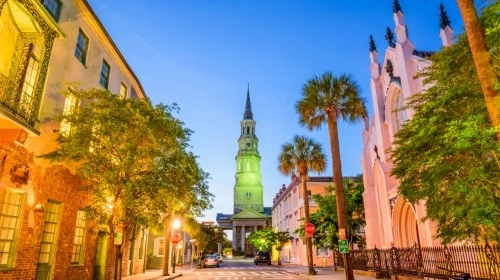
You do not have to leave the city to feel the season. Downtown streets, historic architecture and surrounding neighborhoods take on their own autumn character as color reaches lower elevations. Pair a walk with galleries, shopping and lunch, or explore the River Arts District using the official artist directory.
Best for: Car-free exploring and days when mountain visibility is limited.
Best Scenic Drive Strategy
Instead of choosing one rigid route weeks in advance, plan by elevation:
| Conditions | Best approach |
|---|---|
| Color is strongest at high elevations | Try higher Parkway sections, subject to access |
| Color is moving through mid elevations | Explore overlooks closer to Asheville or Biltmore views |
| Color has reached lower elevations | Focus on downtown, the Arboretum and nearby valleys |
| Clouds obscure mountain views | Choose gardens, art districts and lower-elevation walks |
Ask The Restoration’s Guest Curator about current recommendations, then verify road and park conditions through official sources.
How to Avoid Common Leaf-Peeping Mistakes
- Do not chase a single “peak” date. Elevation creates multiple windows of color.
- Start early. Roads and overlooks become busier later in the day.
- Check closures. Parkway access can change with little notice.
- Download maps. Cellular coverage is inconsistent in the mountains.
- Bring layers. Higher elevations can be colder and windier than downtown.
- Respect overlooks and trails. Park only in designated areas and follow posted guidance.
- Leave room for spontaneity. The best stop may not be the one you planned.
Where to Stay for an Asheville Fall Trip
The Restoration Asheville gives leaf-peepers a central, comfortable base in downtown. Begin with a Breakfast Basket, head into the mountains, then return to an all-suite accommodation with room to unwind. The hotel’s Guest Curator can help refine the day around local conditions and preferences.
In the evening, The Observatory offers a rooftop perspective on the surrounding Blue Ridge Mountains. The Draftsman provides a relaxed downstairs option for drinks and games, while the daily Wine and Cheese Social makes an inviting bridge between the afternoon’s adventure and dinner.
Frequently Asked Questions
What is the best month for fall foliage in Asheville?
October is the primary foliage month for many travelers, but timing varies by elevation and annual weather. Higher areas may change earlier, while lower elevations can hold color later.
Can I see fall color without driving the Blue Ridge Parkway?
Yes. Biltmore, the North Carolina Arboretum, downtown Asheville and surrounding neighborhoods all offer seasonal scenery without a long Parkway drive.
How many days do I need for an Asheville fall trip?
Three nights provide a useful balance: one scenic mountain day, one city or Biltmore day and one flexible day for weather changes.
Is the Blue Ridge Parkway always open in October?
No. Weather, maintenance and other conditions can affect access. Check the National Park Service’s current road status before each drive.
What should I pack?
Bring layers, a light rain shell, comfortable walking shoes, water and a warmer outer layer for higher elevations. Temperatures can differ significantly between downtown and the mountains.
Find Your View of Fall
Asheville’s fall season rewards curiosity more than rigid planning. Follow the color across changing elevations, pause at the overlooks that call to you and return downtown for a rooftop view of the mountains you explored. From The Restoration Asheville, the best of the season begins just beyond your suite.