Little-Known Facts About the Lowcountry, Discover What Makes It Unique
The South Carolina Lowcountry is more than just salt marshes and coastal breezes. It’s a region shaped by rich history, resilient culture, and distinct landscapes. Below are several lesser-known or easily overlooked facts that help explain why the Lowcountry remains so special.
Whether you are a first-time visitor or longtime admirer, these insights will deepen your appreciation for this remarkable region.
1. “Lowcountry” Refers to Geography — Not Just a Name
The name “Lowcountry” actually reflects the land itself. The region lies below the geological Fall Line — meaning its terrain is mostly flat, low-lying coastal plain rather than hills or mountains.
Because much of the Lowcountry sits just above sea level, it’s made up of salt marshes, tidal creeks, estuaries, and sprawling wetlands that set the foundation for its unique ecosystem. Learn More
This low elevation explains why waterways, marshland, and tidal rhythms influence so much of the landscape, lifestyle, and ecology here.
2. Its Natural Landscape Is Ecologically Unique
The Lowcountry’s marshes, tidal rivers, live oaks draped in Spanish moss, palmetto trees, and wetland network create an ecosystem unlike most in the U.S.
This environment supports rich biodiversity — fish, marsh birds, oysters, shrimp, and many species adapted to both saltwater and freshwater influences.
As a result, the coastal marshes and waterways remain not only beautiful — but vital for wildlife, regional cuisine, and the heritage of local communities.
3. A Deep-Rooted Cultural Heritage: The Gullah‑Geechee people
The Lowcountry is known for its historic communities of the Gullah-Geechee — descendants of enslaved Africans who developed a distinct language, culture, cuisine, crafts, and musical heritage.
Because the Sea Islands and tidal marshlands provided relative isolation, many African traditions survived and evolved — making Gullah-Geechee culture one of the most intact African-American heritages in the U.S.
Their influence still shapes local cuisine (think rice dishes, seafood), crafts (like sweetgrass baskets), music, stories, and oral history.
4. The Lowcountry Was Once Built on Rice and Indigo Empires
In colonial times, the Lowcountry’s marshy terrain proved ideal for cultivating rice and indigo. Plantations along tidal rivers thrived, thanks to imported labor and the region’s fertile, water-rich soils.
Much of the wealth that built historic homes, mansions, and cities in the region — including coastal port cities — traces back to that agriculture.
\However, that also cast a long shadow: the legacy of slavery and forced labor underpins much of that wealth, and that history still shapes the cultural and social fabric of the Lowcountry.
5. Sea Islands and Coastal Waters Made the Lowcountry a Cultural Crossroads
Because of its geography — marshes, islands, inlets, and rivers — coastal travel and watercraft were central to daily life. In turn, that shaped unique lifestyles, where boat travel, fishing, and tidal rhythms replaced inland road-based patterns.
This isolation helped preserve traditions: on many Sea Islands, communities maintained African-influenced dialects, crafts, and folklore — less diluted than in many other parts of the Deep South.
Because of that legacy, the Lowcountry stands out not only for its landscapes — but for a living cultural memory tied to land, water, and heritage.
6. Lowcountry Cuisine Has Roots in Land & Sea
Natural resources and cultural heritage gave birth to what we call Lowcountry cuisine — a food tradition woven from rice, seafood, marsh produce, and African-influenced cooking.
Classic dishes like shrimp and grits, Frogmore stew, she-crab soup, and rice-based specialties trace directly back to the region’s geography and heritage.
Because of that blend — land and sea working together — Lowcountry cuisine remains one of the region’s most distinctive draws.
7. The Lowcountry Is Home to Rich History & Stories Spanning Centuries
From the early Indigenous people (like the Cusabo people) who first called this coast home to European colonization, plantation economies, and then slavery — the Lowcountry’s history is deep and complex.
Over time, cities developed around ports and waterways. Then cultural blending, conflict, resilience, and heritage shaped a region unlike most others.
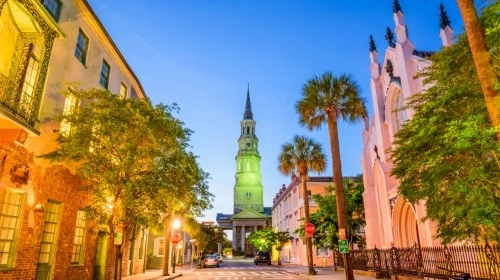
Today, historic districts, preserved architecture, and cultural memory remain as living testaments to that layered past.
8. The Lowcountry’s Natural Beauty Is Always Changing — Tide, Time & Climate Included
Because so much of the landscape is marshland, tidal water, wetlands, and low coastal plain, the Lowcountry shifts with tides and seasons. Bluffton.com+2South Carolina+2
Visitors may see marsh grass shimmering at dawn or dolphins gliding through tidal creeks. They may watch historic oaks draped in Spanish moss, or wetlands alive with birdcalls.
That living landscape remains dynamic — a bridge between land and water, memory and environment, nature and culture.
9. The Sea Islands Were Long Isolated — Helping Traditions Survive
Because many parts of the Lowcountry were separated by marshes, tidal rivers, or islands, communities developed with relative isolation. That isolation allowed languages, crafts, foodways, and oral traditions — especially Gullah-Geechee culture — to persist more intact than in many other regions.
Even after modern roads, bridges, and tourism arrived — the legacy remains visible in crafts, dialects, food, and ways of life.
10. The Lowcountry Is Not Just History — It’s Vibrant & Evolving
Today, the region blends past and present. Historic homes stand next to modern preservation efforts. Cultural festivals, heritage crafts, and seafood restaurants sit alongside marshland conservation and eco-tourism. See map.
In other words — the Lowcountry welcomes both those who cherish history and those who embrace modern Southern charm.
Whether you come for the marshes, the cuisine, the architecture, or the culture — the Lowcountry remains alive, layered, and unforgettable.