
The Word “Boutique” Has Been Borrowed
Not long ago, “boutique hotel” carried a very specific meaning. It signaled something small, personal, and deeply connected to its surroundings.
However, as brands like Marriott International and Hilton Worldwide expanded, the definition began to stretch.
Today, many large hotel groups label properties as “boutique,” even when they operate within global systems built for scale. While these hotels often look beautiful and feel convenient, they rarely deliver the intimacy the term originally promised.
At The Restoration, we take a different approach. Instead of adapting the word, we protect its meaning.
Boutique Was Never Meant to Scale
By definition, true boutique hotels resist replication. They grow from their environment rather than from a brand blueprint.
On the other hand, large-brand boutique properties rely on shared systems, standardized service models, and repeatable design strategies. As a result, the experience feels curated but controlled.
At The Restoration, each property develops its own identity.
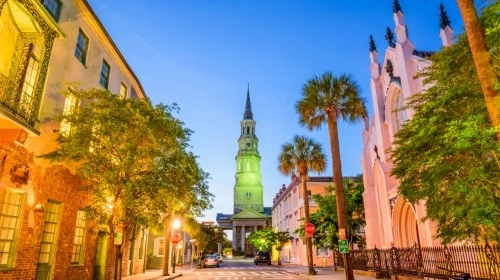
In Charleston, restored historic buildings create a layered, residential experience along King Street. Meanwhile, Asheville reflects the pace and personality of the Blue Ridge Mountains, offering a slower, more intentional stay.
Because of this, no two locations feel interchangeable. Instead, each one feels inevitable to its setting.
The Loyalty Loop (And What It Actually Costs You)
For many travelers, loyalty programs drive booking decisions. Points, perks, and status tiers create a sense of long-term value.
At first glance, that system feels rewarding. However, it often comes with tradeoffs.
When guests book within large ecosystems, their experience follows a structured framework. Rooms remain standardized, perks depend on status, and personalization becomes limited.
In contrast, a true boutique hotel shifts the value entirely.
Rather than earning toward a future stay, guests experience everything in the present.
At The Restoration, that includes:
- A daily breakfast basket delivered to your room
- A Guest Curator offering tailored, insider recommendations
- Complimentary Jeep transportation within a two-mile radius
- A daily wine and cheese social designed for connection
Importantly, these are not upgrades or add-ons. They define the experience from the start.
So instead of asking what you earn later, it becomes more meaningful to ask what you gain now.
Consistency vs. Character
Consistency defines large-brand boutique hotels. For many travelers, that predictability creates comfort.
You recognize the layout. You understand the service. You know exactly what to expect.
Nevertheless, that same consistency can limit discovery.
True boutique hotels prioritize character instead.
At The Restoration, experiences evolve with the city, the season, and the guest. Recommendations come from real people, not preloaded systems. Each stay carries its own rhythm.
Consequently, the experience feels less like a transaction and more like immersion.
Space Changes Everything
Another key difference comes down to space.
Most brand boutique hotels still follow a traditional room model. While efficient and well-designed, those layouts often restrict how guests use the space.
At The Restoration Charleston, suites include full kitchens, living areas, and room to settle in. Guests don’t just pass through—they live within the space.
Similarly, The Restoration Asheville offers only suites. Every stay provides room to expand, unwind, and fully inhabit the experience.
Because of this, time feels different. Mornings stretch longer. Evenings slow down. The stay becomes something you shape, not something you move through.
Designed for Guests, Not for Scale
Large hotel groups design for scale. They must serve thousands of properties and millions of guests simultaneously.
As a result, decisions prioritize consistency and efficiency.
At The Restoration, decisions stay closer to the guest experience.
For example, the breakfast basket changes with intention. Rooftop spaces shift throughout the day, moving from quiet mornings to vibrant evenings. Team members remember preferences because they pay attention, not because a system prompts them.
Ultimately, that difference transforms service into something far more human.
So… Why Choose One Over the Other?
Brand boutique hotels offer reliability. They deliver familiarity. They serve a clear purpose.
However, travelers seeking something more personal, immersive, and place-driven often look beyond those systems.
A chain boutique hotel offers a version of boutique.
A true boutique hotel delivers its original meaning.
At The Restoration, we don’t try to fit the category. Instead, we return it to what it was meant to be.
The Stay You Remember
In the end, most travelers won’t remember how many points they earned.
Instead, they remember how the experience felt.
They remember the quiet morning with breakfast waiting at the door. They remember the rooftop at golden hour. They remember the recommendation that led them somewhere unexpected.
That’s where the difference lives.
And once you experience it, the definition of “boutique” becomes much clearer.